
Why Drill a Water Well: Advantages, Types and Complete Guide
Discover why more and more Romanians choose a drilled well instead of the public network: real savings, total independence and quality water.
Team ForajePuțuri.ro
Author
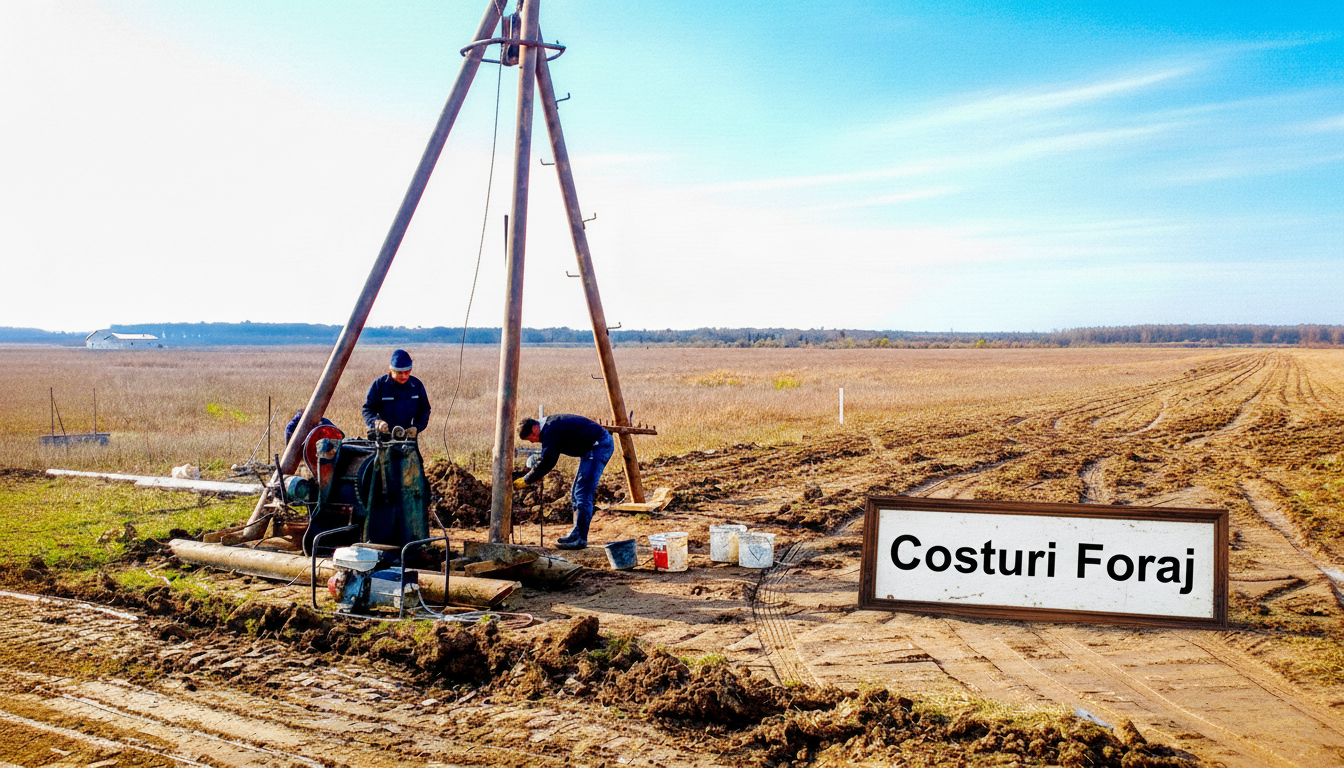
Bore well or mains water? The decision that counts
More and more homeowners, farms or commercial premises are choosing to invest in a bore well as their primary or backup water source. The reasons are simple: independence from the public network, reduced bills and access to water even during periods of drought or breakdowns.
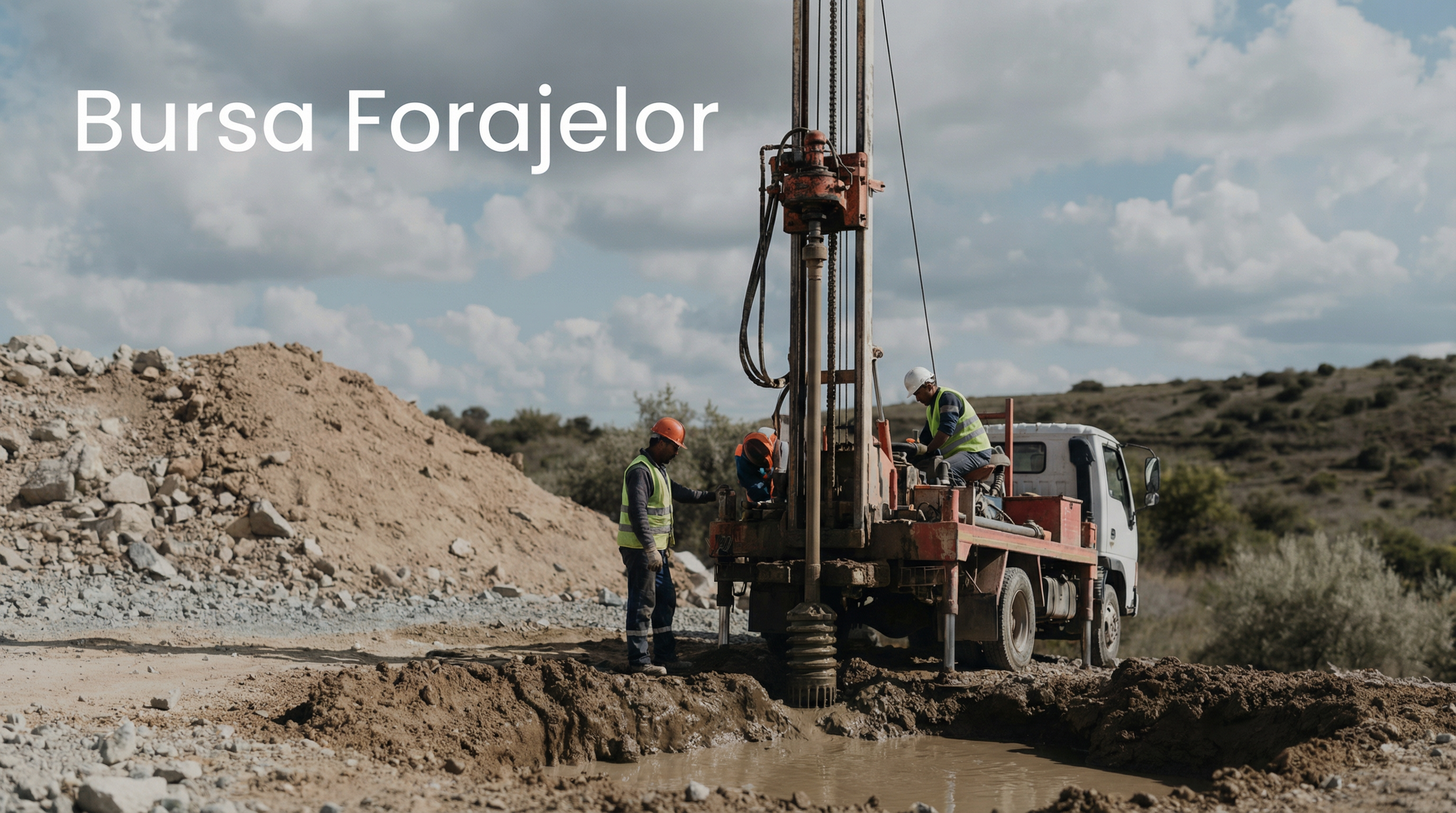
The advantages of a drilled well
- Total independence: You do not depend on the local network, breakdowns or restrictions imposed during dry periods.
- Significant savings: The cost of a well pays for itself in 3–7 years compared to utility bills.
- Quality water: Water from deep aquifers is often purer than chemically treated water from the mains.
- Property Value Increase: A working well can add 5-15% to the property's market value.
- Permanent availability: Water is there whenever you need it, regardless of the season.
Types of drilling for water wells
1. Shallow boreholes (10–30 m)
Ideal for gardens, irrigation or low household consumption. The cost is lower, but water can be affected by rainfall and surface activities. See full details in our guide on garden drills.
2. Medium depth drilling (30–80 m)
Most common for individual houses and small farms. Access stable aquifers with constant flow and good water quality. Find out more in the article about drinking water from a drilled well.
3. Deep drilling (80 m+)
For high flows, industrial use or areas with shallow aquifers of poor quality. Details in the complete guide to deep drilling.
How much does a well drilled in 2025 cost?
The price varies between 1,400 and 50,000+ lei, depending on the depth, diameter and type of soil. You can find a detailed price guide in the article How much does a drilled well cost in 2025.
The step-by-step process
- Land assessment — geological survey and consultation with specialists
- Choosing the company — read our guide on how to choose the right company
- Obtaining approvals — details in the article on wells legislation in 2025
- Drilling execution — 1–5 days, depending on depth
- Initial denisipation — mandatory after drilling; read the denisipari guide
- Mounting the pump and installation
- Water analysis and commissioning
What applications does a drilled well have?
- ðŸ Domestic consumption — drinking water, kitchen, bathroom
- 🌱 Garden irrigation — see garden water drills
- ðŸ Industrial use — see industrial drilling
- â™¨ï¸ Heat pumps — see geothermal heat pumps
Request a free evaluation of your land and find out if drilling is the right solution for your property.
→ Well drilling services & free quote
Conclusion
A drilled well is a smart long-term investment. With a professional company, quality materials and regular maintenance — described in our guide to well care — you will enjoy clean water for decades.